By Dr. Bhumika Das How It Guides Our World The Global Positioning System (GPS) is a satellite-based navigation technology that helps us determine our exact location anywhere on Earth. Originally developed for military purposes, GPS is now widely used in everyday life through smartphones, vehicles, and various digital applications. GPS works through a network of satellites orbiting the Earth. These satellites send signals to GPS-enabled devices, which calculate location based on the time it takes for signals to travel. This allows users to get accurate information about their position, speed, and direction. Today, GPS plays a crucial role in navigation, transportation, disaster management, agriculture, and even fitness tracking. Whether you’re finding the fastest route, tracking deliveries, or locating nearby services, GPS has become an essential tool in modern living. In a rapidly advancing digital world, GPS continues to improve accuracy and efficiency, making our lives safer, smarter, and more connected.
HISTORY OF ENGLISH LITERATURE Jacobean Period (1603–1625)
By Yashasvi Sharma The Jacobean Period refers to the reign of King James I in England. It is marked by political tension, religious conflict, and significant literary development. ⸻About King James I ⸻ Interest in Witchcraft & Literature ⸻ Major Political Events ⸻ Foreign Policy & War ⸻ Religious Developments Translation Process: ⸻ Religious Groups & Conflict Social & Economic Conditions
Photoperiodic alteration modulates immune responses of freshwater snakehead teleost, Channa punctatus
By Dr. Sheena Farheen Khan Veterinary Research Communications. The study investigates the influence of photoperiod (light-dark cycles) on the immune responses of the freshwater fish Channa punctatus. The findings demonstrate that variations in photoperiod significantly affect innate immune functions, including phagocytic activity and lymphocyte proliferation, with notable responses observed in key immune organs such as the head kidney and spleen. The study highlights the adaptive role of environmental light conditions in modulating fish immunity. This work contributes to a better understanding of environmental regulation of immune function and holds relevance for aquaculture and fish health management.
India’s Thorium Revolution: Turning Thorium into Future Energy
By Anvesh Pandey India is currently making serious progress in its long-term nuclear energy plan, especially in converting thorium into usable fuels like uranium-233 and plutonium. This idea was originally developed by Homi.J.Bhabha, who understood that India does not have large uranium reserves but has one of the biggest thorium deposits in the world. So instead of depending on imports, India designed a three-stage nuclear program. In the first stage, uranium is used to produce plutonium. In the second stage, this plutonium is used in fast breeder reactors to generate more fuel and also convert thorium into uranium-233. Recently, India achieved a major milestone when its Prototype Fast Breeder Reactor reached criticality, showing that the second stage is becoming successful. The final stage will mainly use thorium-based reactors, where uranium-233 becomes the main fuel, making the system almost self-sustaining. If India fully reaches stage three, it is estimated that the country could produce energy for around 200 to 300 years using its thorium reserves. This will be extremely useful for the future because it can reduce dependence on fossil fuels, lower pollution, and provide long-term energy security. It can also make India more self-reliant and stable in terms of energy needs, especially as the population and electricity demand continue to grow.
Machine learning
Machine learning (ML) is a branch of artificial intelligence that enables systems to learn from data and improve performance without explicit programming. Instead of writing rules manually, we train models to identify patterns and make decisions. There are three main types: A typical ML process includes data collection, preprocessing, model training, and evaluation. The biggest mistake beginners make is focusing too much on models and ignoring data quality—poor data leads to poor results. Machine learning is widely used in healthcare, finance, recommendation systems, and automation. However, it is not a perfect solution—models can be biased, require large datasets, and often fail in real-world conditions. Machine learning is powerful, but only when applied carefully with good data, proper validation, and realistic expectations.
Active vs Passive Components
The Building Blocks of Electrical CircuitsElectrical circuits are made up of different types of components that control the flow of electrical energy. Active Components and Passive Components are two fundamental categories used in electrical circuit design.🔹 Passive ComponentsFlow: Components that store, absorb, or dissipate electrical energy without generating it.Purpose: To control current, voltage, and energy behavior in a circuit.Methods: Resistance control, energy storage in electric and magnetic fields.Applications: Filters, power supply circuits, timing networks.🔹 Active ComponentsFlow: Components that require an external power source and can control or amplify electrical signals.Purpose: To control circuit operation and enable amplification or switching.Methods: Signal amplification, switching action, and electrical control.Applications: Amplifiers, oscillators, control systems, communication systems.
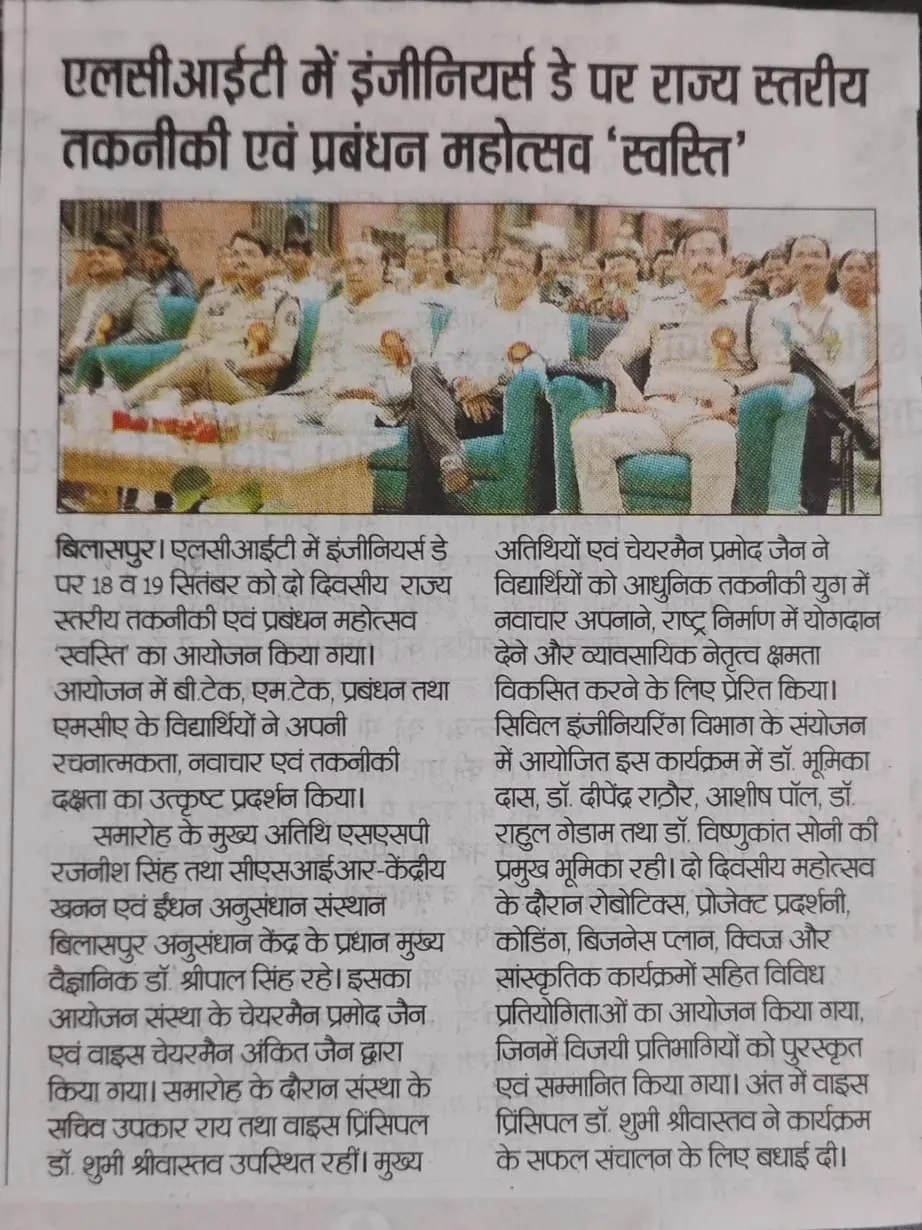
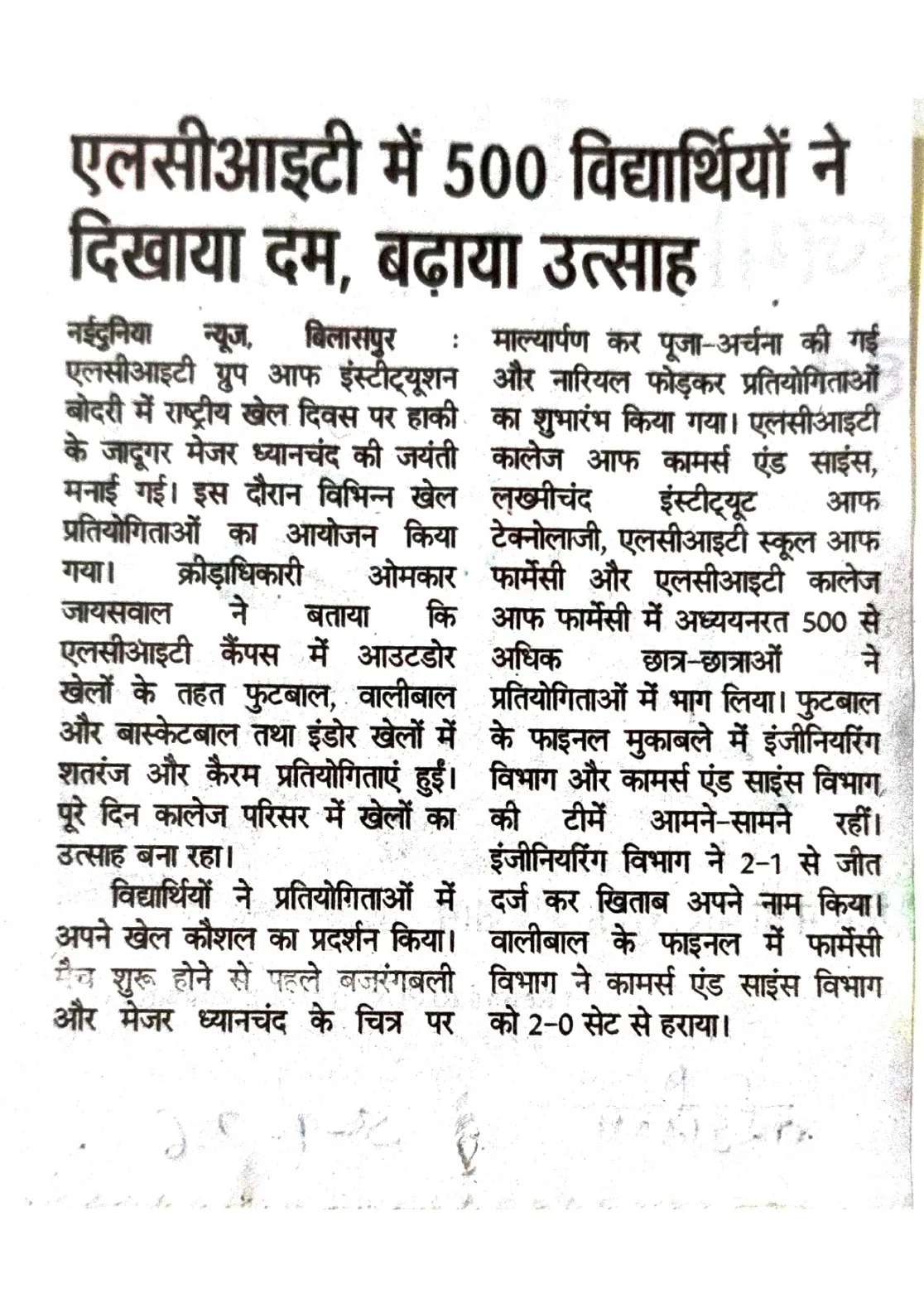
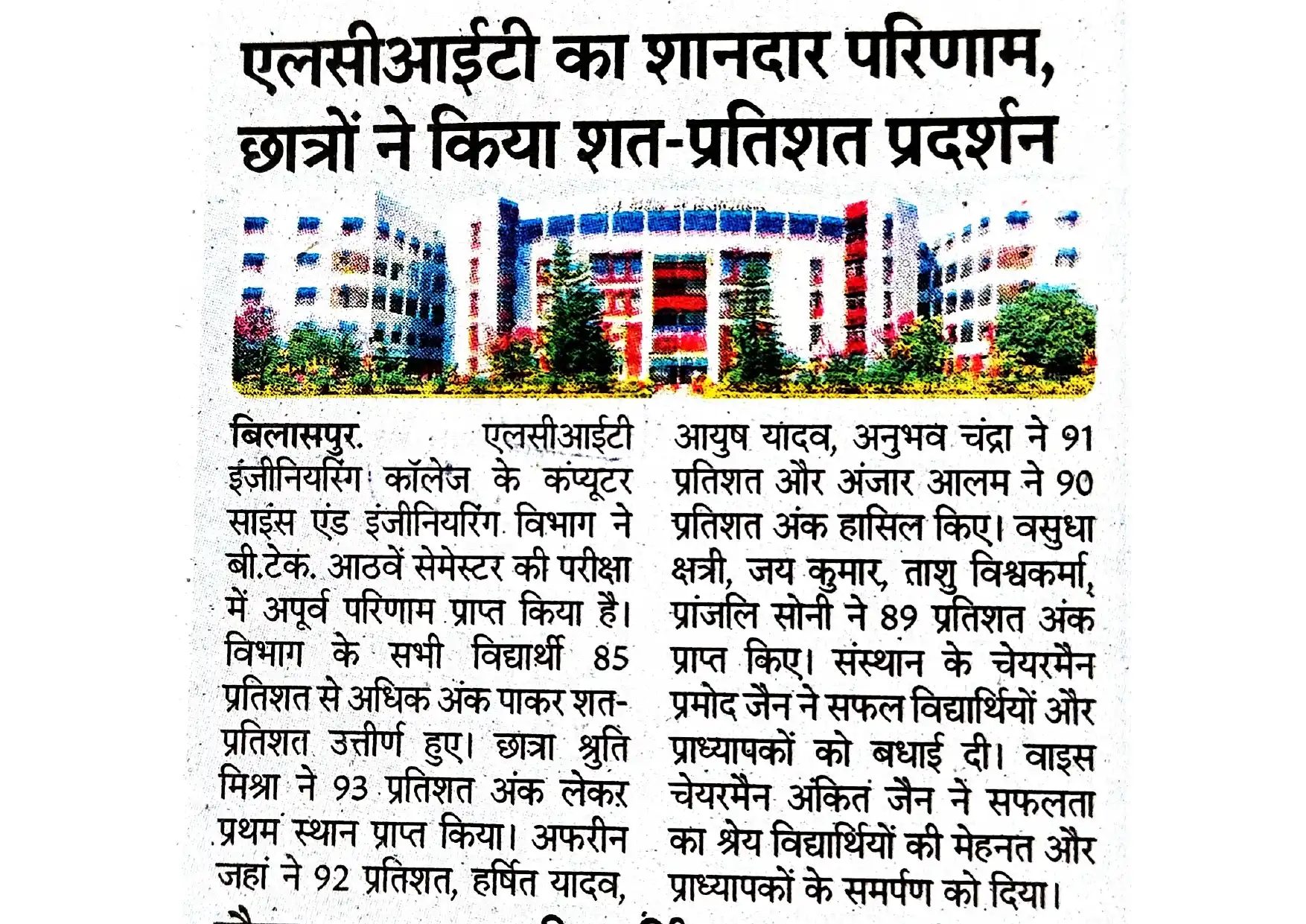
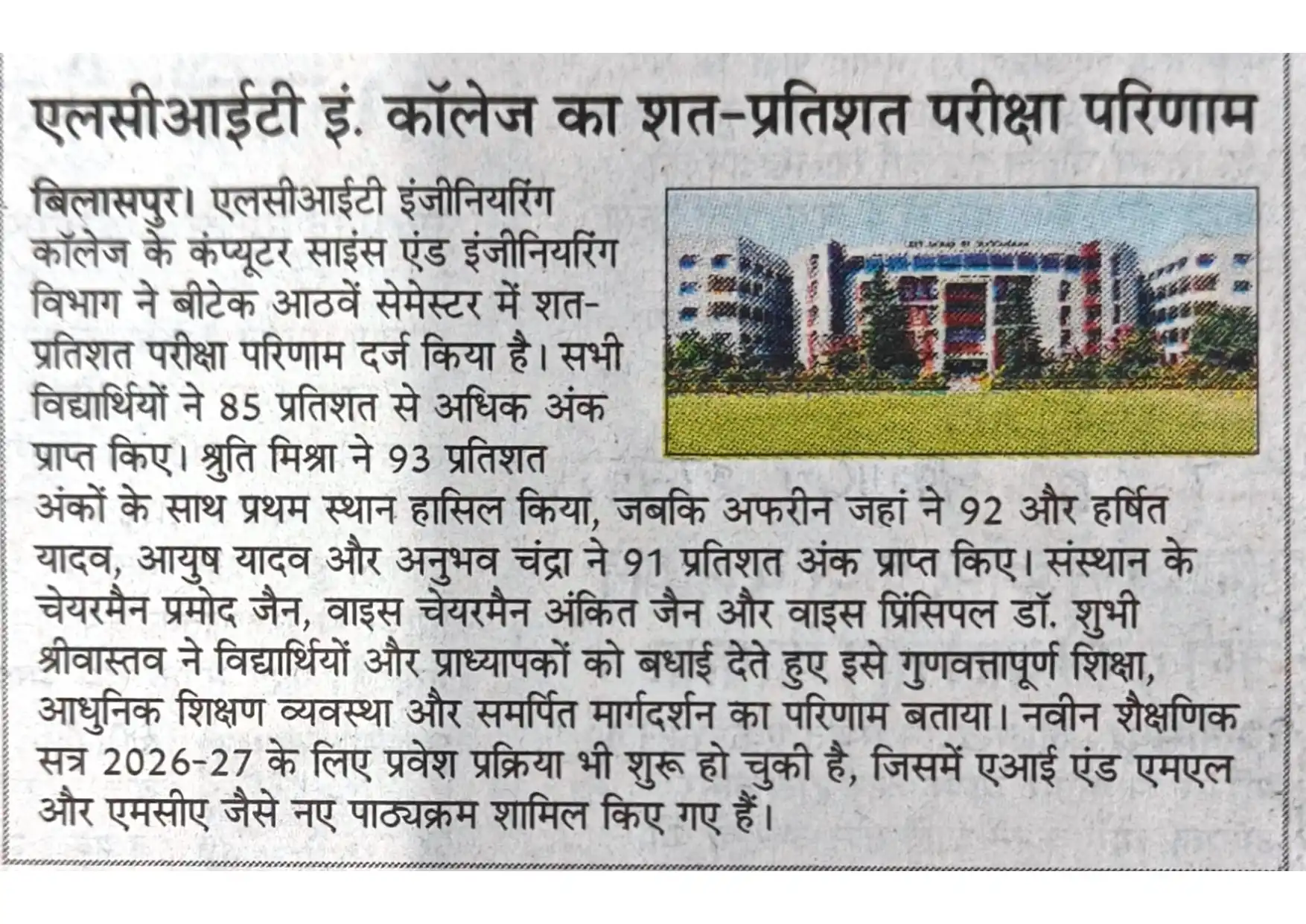
news
news
news
Network Analysis vs. Network Synthesis
Network Analysis vs. Network Synthesis: The Core of Circuit DesignElectrical Engineering relies heavily on understanding and designing electrical networks. Network Analysis and Network Synthesis are two fundamental concepts in circuit theory, but they serve different purposes.🔹 Network AnalysisFlow: Studying an existing electrical circuit to determine voltages, currents, and power.Purpose: To understand the behavior and performance of a circuit.Methods: KCL, KVL, Thevenin’s Theorem, Norton’s Theorem, Superposition.Applications: Power system analysis, electronic circuit testing, fault detection. 🔹 Network SynthesisFlow: Designing a new circuit that produces a required or desired response.Purpose: To create a network that meets specific electrical requirements.Methods: Foster Form, Cauer Form, Passive filter design.Applications: Filter design, communication systems, signal processing circuits.